No one-size-fits-all recipes
Every organisation has its own context, history and constraints.
 Magnetic Fields
 How we work
Understand. Experiment. Learn.
For us, change does not begin with a ready-made solution. It begins with carefully understanding the concern, making relevant influencing factors visible, and developing a first manageable step.
Not a master plan that promises certainty, but a transparent path from the first question to the next well-grounded decision.
Our perspective
Organisations are not machines. They are made up of people, relationships, experience, expectations and decisions.
That is why we do not see consulting as delivering ready-made answers, but as thinking together about better questions.
These influencing factors are not always immediately visible, yet they shape decisions, collaboration and the likelihood of success.
Magnetic Fields helps make these influences and interdependencies visible and discussable.
Our view of people
For us, change does not begin with persuasion, but with a transparent, shared experiment.
From knowledge to learning
We develop hypotheses, test them under real conditions, and adapt our understanding in line with what we learn.
Consulting · Lab · Institute
Consulting helps clarify concerns and develop hypotheses. In the Lab, hypotheses are tested under real conditions. The Institute reflects on and structures the resulting insights. The Magnetic Fields Cycle is not a rigid phase model. Depending on the concern, entry can begin at different points.
Fragen verstehen und Hypothesen formulieren.
Hypothesen unter realen Bedingungen erproben.
Erkenntnisse reflektieren, strukturieren und weitergeben.
Erkenntnisse fließen zurück ins Consulting ↗
See how Consulting, Lab and Institute interact as one shared learning cycle on Consulting, Lab and Institute at a glance.
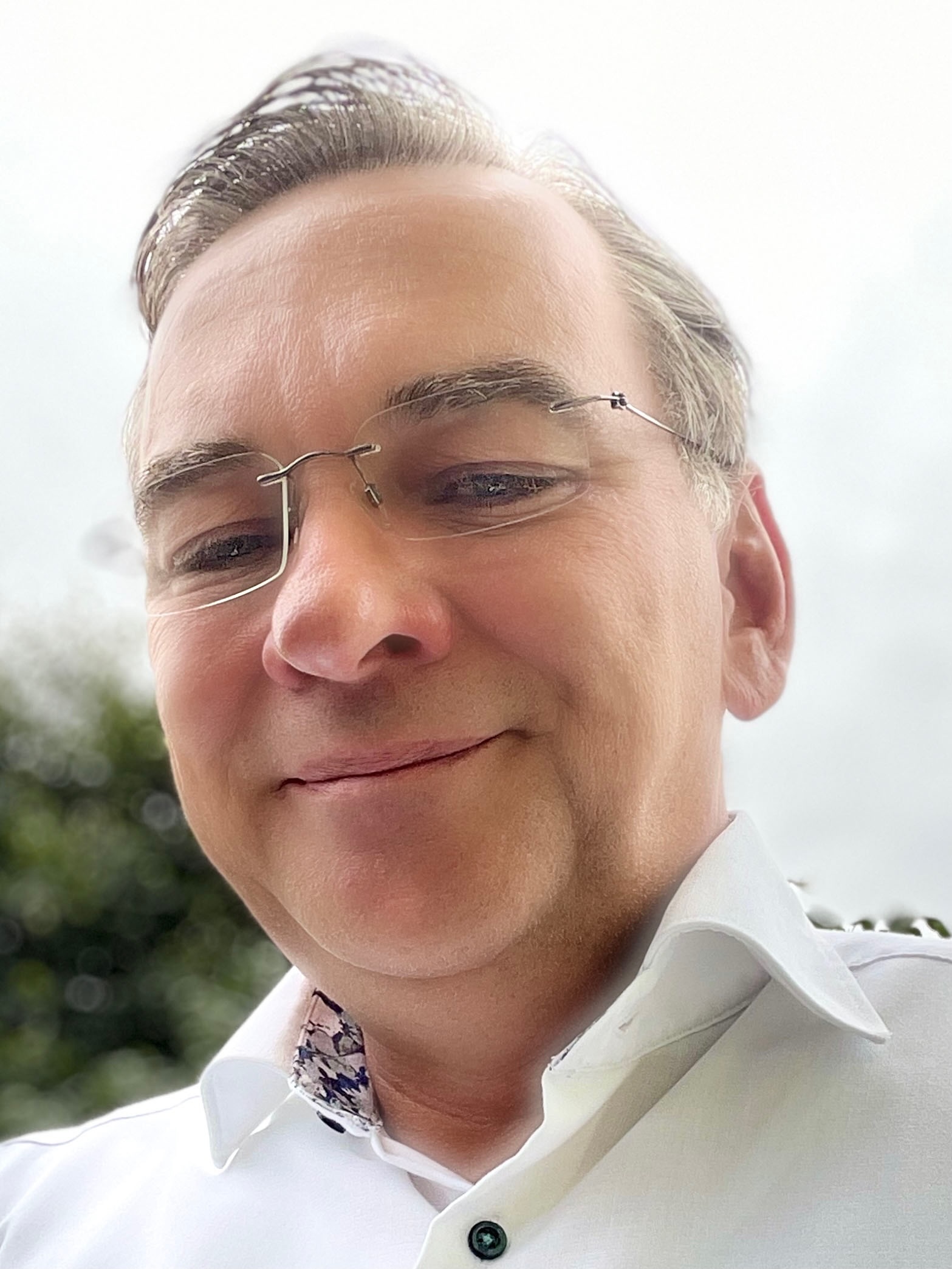
Magnetic Fields was founded by Peter Bongers. His work combines 38 years of experience across industry, technology, sales, operations, consulting and leadership with a systems perspective on organisations and change.
Every organisation has its own context, history and constraints.
Transparency and participation are prerequisites for sustainable development.
Manageable experiments create a better basis for decision-making.
The concern may not yet be fully described. There may already be several ideas on the table. An initial conversation helps structure the situation and clarify which question should be addressed first.